Detailed painting demands more than a place to hold color. The right palette gives you clean mixing areas, controlled portions, and a surface that suits your medium and working style.
We selected 10 artist palettes for detailed work across watercolor, gouache, acrylic, oil, and miniature painting, with options for compact studios, portable kits, and larger color layouts.
Best 10 Artist Palettes for Detailed Work Picks for 2026
Compact Ceramic Pick

- Seven separate paint wells
- Smooth white ceramic surface
- Compact 5.7-inch square design
Best For: Compact, controlled color mixing across multiple mediums
Flexible Acrylic Set

- Two lightweight palettes included
- 17 wells per palette
- Non-porous, easy-clean surface
Best For: Multi-color painting sessions, classrooms, and shared studios
Studio Mixing Favorite

- 18 deep paint wells
- Large central mixing area
- Heavy, stable ceramic build
Best For: Detailed studio or field color mixing with many paints
Miniature Painting Kit
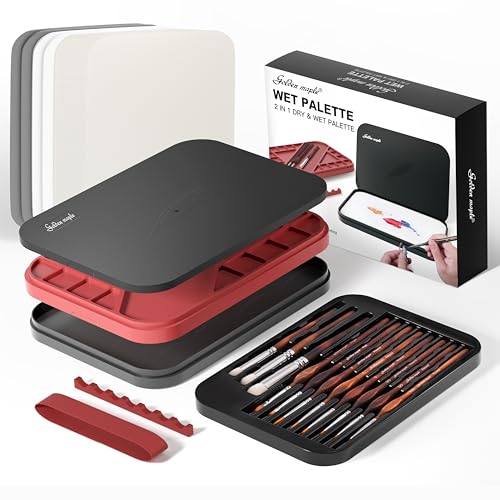
- Wet and dry palette functions
- Includes 11 detail brushes
- Lid, papers, sponges, and holders included
Best For: Miniature painting, model detailing, and controlled acrylic work
Best Large Ceramic Option
MEEDEN Porcelain Mixing Palette

- White-glazed porcelain shows mixed colors clearly
- Large central area plus multiple pigment wells
- Durable and easy to clean with proper care
Best For: Large watercolor, gouache, and acrylic projects
Best Transparent Two-Pack
Tamaki Acrylic Thumb-Hole Palettes

- Includes rectangular and oval palettes
- Clear acrylic keeps colors easy to view
- Lightweight, reusable, and portable
Best For: Classes, travel, crafts, and flexible studio use
Best Compact Covered Palette
Plum Blossom Ceramic Watercolor Palette

- Compact 5.3-inch ceramic design
- Multiple wells organize watercolor and gouache
- Protective lid aids storage and transport
Best For: Travel, small workspaces, and covered paint storage
Spacious Mixing
20-Well Plastic Paint Palette Set

- Two large 10 x 13-inch palettes
- 20 wells for organized color mixing
- Lightweight and easy to clean
Best For: Artists needing high-capacity color organization and a spare palette
Portable Classic
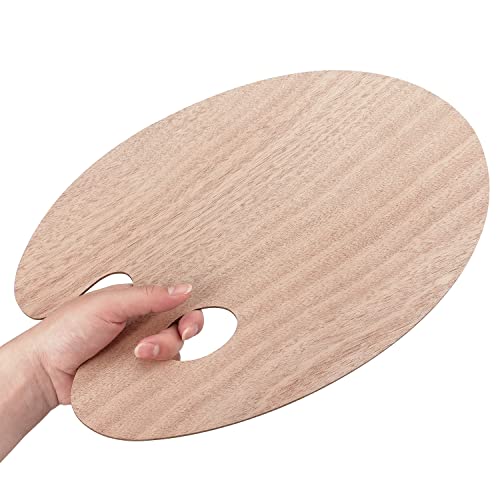
- Traditional thumb-holder design
- Smooth, reusable wooden surface
- Lightweight and easy to carry
Best For: Painters who prefer a handheld palette for portable painting
Stable Precision

- Weighted white ceramic stays stable
- Nine deep wells for separated mixes
- Glazed surface is easy to clean
Best For: Artists wanting compact, controlled mixing with a neutral ceramic surface
Compact Ceramic Pick – 7-Well Square Palette
For artists seeking artist palettes for detailed work, this compact ceramic tray offers seven separate wells in a hand-friendly 5.7-inch square format. Its smooth white surface supports clear color mixing and is suited to watercolor, gouache, acrylic, oil, and tempera paints.
Best For: Artists who want a durable, compact palette for controlled color separation and small craft or painting projects.
Pros:
- Seven wells accommodate different colors or mixtures.
- Smooth white ceramic surface makes mixing and cleanup easier.
- Compact size is convenient to hold and store.
- Hand wash or dishwasher safe, according to the care instructions.
Cons:
- Its smaller surface provides less room for large mixing areas.
- Ceramic construction is heavier and less impact-resistant than plastic.
This is a practical choice when portability and separated paint wells matter more than extensive mixing space. Its versatile material and size also make it useful beyond painting, including sorting and craft projects.
Flexible Acrylic Set – Clear Oval Palette 2-Pack
This two-pack is a useful option for artist palettes for detailed work when you want numerous wells and a broad mixing surface. Each lightweight acrylic palette has 17 wells, a non-porous surface, and a curved thumb hole designed for comfortable use by either hand.
Best For: Artists, students, and classrooms needing multiple lightweight palettes for acrylic, watercolor, gouache, or oil painting.
Pros:
- Two palettes provide a convenient backup or shared-use option.
- Seventeen wells support organized color separation.
- Non-porous surface does not absorb oils and supports mixing.
- Dried acrylic and oil paint can be peeled off, with hand washing for cleanup.
Cons:
- Hand wash only, according to the care instructions.
- Plastic may feel less substantial than a ceramic palette.
The large format and many wells make this set well suited to projects requiring several colors at once. The thumb-hole design and lightweight construction also make it easier to handle during longer sessions.
Studio Mixing Favorite – 18-Well Ceramic Palette
For artist palettes for detailed work that require extensive color organization, this ceramic tray combines 18 deep wells with a large central mixing area. Its substantial weight helps keep it stable, while the smooth white surface supports watercolor, gouache, acrylic, oil, and tempera work.
Best For: Studio or field artists who need many deep wells and generous space for developing custom color mixtures.
Pros:
- Eighteen deep wells organize a wide range of colors.
- Large center area provides room for detailed color mixing.
- Heavy ceramic construction helps prevent the palette from shifting.
- Smooth surface wipes clean with a tissue and helps paint spread evenly.
Cons:
- At 0.51 kg, it is less lightweight for frequent transport.
- Not dishwasher safe or oven safe.
- Only one palette is included.
This is the strongest fit for painters who prioritize stability and mixing capacity. The rectangular 8-by-5.5-inch format balances a portable footprint with enough organization for complex palettes.
Miniature Painting Kit – 2-in-1 Wet Palette Set
This kit takes artist palettes for detailed work in a miniature-painting direction, combining wet and dry palette functions with accessories for precise model painting. Its layered design helps keep acrylic or watercolor paint workable, while the included brushes, papers, sponges, and holders support shading, highlighting, and texture work.
Best For: Miniature painters, model hobbyists, and DIY artists who need moisture control plus detail brushes and storage in one kit.
Pros:
- Wet palette helps keep acrylic or watercolor paints workable longer.
- Three-layer design combines wet mixing, dry wells, and brush storage.
- Airtight lid helps lock in moisture during breaks.
- Includes 11 brushes, 100 palette papers, four sponges, and brush holders.
Cons:
- Designed primarily around miniature and detail painting rather than broad-format work.
- Plastic construction requires hand cleaning and drying; it is not dishwasher safe.
- Wet-palette components require setup and maintenance between uses.
This is more than a simple paint tray: it is a focused workstation for controlled miniature painting. Choose it when extending paint workability and having detail tools on hand are more important than a large open mixing surface.
Best Large Ceramic Option – MEEDEN Porcelain Mixing Palette
For artists seeking artist palettes for detailed work, the MEEDEN ceramic palette offers a spacious white surface that makes mixed colors easy to assess. Its large central mixing area and multiple pigment wells suit watercolor, gouache, acrylic, and other water-based mediums.
Best For: Artists who need generous mixing space and organized wells for larger or multi-color projects.
Pros:
- White-glazed porcelain helps colors remain easy to see.
- Large 10-by-6.3-inch format provides a substantial mixing area.
- Multiple pigment storage areas help keep colors organized.
- Polished, durable surface is designed for easy cleaning and repeated use.
Cons:
- At 0.65 kg, it is less convenient for portable painting than lighter palettes.
- Hand washing and air drying are recommended; it should not go in the dishwasher.
The MEEDEN is a practical pick when workspace and durability matter more than portability. Its white porcelain construction is especially useful for judging color mixtures accurately.
Best Transparent Two-Pack – Tamaki Acrylic Thumb-Hole Palettes
The Tamaki two-pack gives artists choosing artist palettes for detailed work both a rectangular and an oval mixing surface. Clear acrylic allows the underlying color to remain visible, while the smooth, reusable palettes are suited to painting classes, home studios, crafts, and outdoor sessions.
Best For: Painters who want lightweight, portable palettes in two shapes for flexible mixing and color visibility.
Pros:
- Includes one rectangular and one oval palette.
- Transparent acrylic helps preserve a clear view of mixed colors.
- Smooth surfaces and edges are comfortable to handle and easy to clean.
- Portable format works well for backpacks, purses, totes, and classes.
Cons:
- Protective film must be removed from both sides before use.
- Hand washing is required, and high heat or harsh chemicals should be avoided.
- The supplied details list a thumb hole in the title but do not specify its dimensions or placement.
This set is a flexible choice for artists who value portability and variety. The two shapes can support different working preferences, while the clear acrylic provides a distinctive alternative to opaque palettes.
Best Compact Covered Palette – Plum Blossom Ceramic Watercolor Palette
For compact artist palettes for detailed work, this 5-inch ceramic palette combines multiple wells with a protective lid. Its non-porous surface is designed for watercolor and gouache, making it a useful option for small workspaces, travel, and projects that require paint storage between sessions.
Best For: Watercolor and gouache artists who want a small, covered palette for organized mixing and transport.
Pros:
- Ceramic construction provides a sturdy painting surface.
- Multiple wells help separate and organize colors.
- Included lid protects the palette and supports portability.
- Smooth, non-porous finish is easy to wipe clean.
Cons:
- The 5.3-by-5.3-inch size offers less mixing room than larger palettes.
- Its stated compatibility is focused on watercolor and gouache rather than a wider range of mediums.
- Care instructions call for wiping with a damp cloth after each use.
The compact design makes this palette convenient when space and transport are priorities. Choose it over a larger tray when a lid, organized wells, and straightforward cleanup are more valuable than maximum mixing area.
Spacious Mixing – 20-Well Plastic Paint Palette Set
For artists seeking artist palettes for detailed work, this two-pack provides generous room for separating colors, organizing pigments, and building custom mixes. Its 20 wells and lightweight plastic construction suit studio, classroom, and group painting sessions.
Best For: Artists who need many organized wells and a spare palette for acrylic, oil, watercolor, gouache, or other thick media.
Pros:
- Includes two large 10 x 13-inch palettes with 20 individual wells each.
- Lightweight, sturdy plastic is comfortable to hold and designed to resist scratching and breaking.
- Smooth surface supports easy mixing, while most paints rinse off readily with water.
- Works with several common paint types and is useful for classes or group projects.
Cons:
- Plastic may not offer the weighted stability of a ceramic palette.
- The large rectangular footprint may be less convenient for compact portable kits.
This is a practical value choice when color organization and capacity matter most. The two-pack also makes it easier to keep a clean tray available between projects.
Portable Classic – Tamaki Wooden Paint Palette
This traditional wooden tray is a straightforward option for artists looking for artist palettes for detailed work without a collection of separate wells. Its smooth surface, thumb-holder design, and portable size make it convenient for painting at home, in class, or outdoors.
Best For: Right- or left-handed painters who prefer a traditional handheld palette for acrylic projects and general artistic activities.
Pros:
- Traditional shape includes a comfortable thumb holder for handheld use.
- Smooth wooden surface and edges are comfortable to handle.
- Portable design can fit in a backpack, purse, or tote bag.
- Reusable and suitable for teachers, students, hobbyists, and professionals.
Cons:
- One large mixing surface offers less color separation than a multi-well tray.
- Care instructions call for wiping it clean with a dry cloth rather than rinsing.
Choose this palette for a familiar, mobile painting experience and broad mixing space. It is less suited to painters who want numerous dedicated wells for keeping colors separate.
Stable Precision – 9-Well Ceramic Paint Palette
For artist palettes for detailed work that prioritize clean color viewing and stable mixing, this white ceramic tray offers nine deep wells in a compact format. Its glazed surface is designed for straightforward cleanup and supports watercolor, gouache, acrylic, and oil painting.
Best For: Artists who want a compact, weighted palette with separated wells for controlled color mixing and gradients.
Pros:
- White ceramic surface helps colors appear clearly while mixing.
- Weighted porcelain construction stays stable on a desk.
- Nine deep wells separate base colors and hold water or pigment for washes.
- High-fired glazed finish is designed to wipe clean with water or a damp cloth.
Cons:
- Ceramic is less forgiving of drops than lightweight plastic.
- With nine wells, it provides less compartment capacity than the 20-well option.
- Its compact 7.5 x 4.1-inch size may limit large-volume mixing.
This palette is a strong fit when stability, a neutral mixing surface, and easy color separation are more important than maximum capacity. Its rectangular size also makes it suitable for sketch bags and plein-air work.
How We Picked the Best Artist Palettes for Detailed Work
We focused on palette design, material, well layout, usable mixing space, portability, and cleanup needs. The selection includes porcelain and ceramic trays for controlled color mixing, plastic palettes for lightweight versatility, wooden thumb-hole designs for handheld painting, and a wet palette for miniature work.
Because “detailed work” can mean anything from watercolor botanicals to fine miniature highlights, we considered both small, separated wells and broad mixing surfaces. We also noted practical features such as lids, brush inclusions, multi-packs, thumb holes, and palette capacity.
Quick Comparison
| Palette type | Best suited for | Main advantage | Potential limitation |
|---|---|---|---|
| Ceramic or porcelain | Watercolor, gouache, acrylic, oil | Stable, smooth, easy-to-clean mixing surface | Heavier and breakable |
| Plastic | Travel, classrooms, acrylic, general use | Lightweight and affordable | Can stain or retain certain pigments |
| Wood | Handheld acrylic or oil painting | Comfortable thumb-hole portability | Requires more careful cleaning and maintenance |
| Wet palette | Miniatures and acrylic detail work | Helps keep acrylic paint workable longer | Needs moisture control and regular cleaning |
Key Buying Factors for Artist Palettes for Detailed Work
Wells and Mixing Area
Choose individual wells when you need to keep colors separated or use small amounts precisely. A broad central mixing area is more useful for gradients, custom neutrals, and larger blends. Palettes with both wells and open space offer the most flexibility.
Material and Cleanup
Porcelain and ceramic are nonporous, stable, and generally easy to wipe clean, making them strong choices for repeated studio use. Plastic is easier to carry and replace, while wood is comfortable in the hand but may absorb paint if it is not properly sealed. For dried acrylic, check the manufacturer’s cleaning guidance rather than scraping aggressively.
Size, Weight, and Layout
A compact five- to nine-well palette works well for limited-color studies and small detail sessions. Larger 18- or 20-well designs suit artists who need many hues ready at once. Consider desk space, storage, and whether the palette must fit beside an easel or travel kit.
Medium Compatibility
Watercolor and gouache pair naturally with porcelain wells and sloped mixing areas. Acrylic painters may prefer plastic or ceramic, depending on cleanup habits. Oil painters should prioritize a durable, nonporous surface and enough open room for mixing. Miniature painters may benefit most from a wet palette that slows acrylic drying.
Who Should Buy Which Artist Palettes for Detailed Work?
- Choose a small ceramic or porcelain palette if you paint detailed watercolor, gouache studies, or limited-color illustrations and want precise portions.
- Choose a larger ceramic tray if you mix several colors frequently and prefer a stable studio palette.
- Choose a plastic multi-well palette if portability, low cost, or classroom use matters most.
- Choose a wooden thumb-hole palette if you paint while holding the palette and want a traditional handheld format.
- Choose a wet palette if you paint miniatures or fine acrylic details and need paint to remain workable during longer sessions.
Before buying, match the palette’s surface and capacity to your paint medium, then prioritize the layout you can clean and use comfortably every day.