Small studios need palettes that make the most of limited workspace without slowing down the painting process. The right design keeps colors organized, supports clean mixing, and stores easily between sessions.
This roundup compares 10 compact artist palettes for watercolor, gouache, acrylic, and oil painting, with options ranging from portable folding trays to durable ceramic and wooden palettes.
Best 10 Artist Palettes for Small Studios Picks for 2026
Portable Protection

- Protective folding lid
- Smooth, easy-clean mixing surface
- Lightweight for travel and studios
Best For: Compact studios and mobile painting kits
Flexible Value Set

- Two palettes in rectangular and oval shapes
- Clear acrylic mixing surfaces
- Reusable and portable
Best For: Studios, classes, and artists needing flexible open palettes
Organized Wet Storage
Mr. Pen Airtight Watercolor Palette

- 18 paint wells
- Two large mixing areas
- Sealing lid helps retain moisture
Best For: Color-organized watercolor work and travel
Classic Handheld Surface
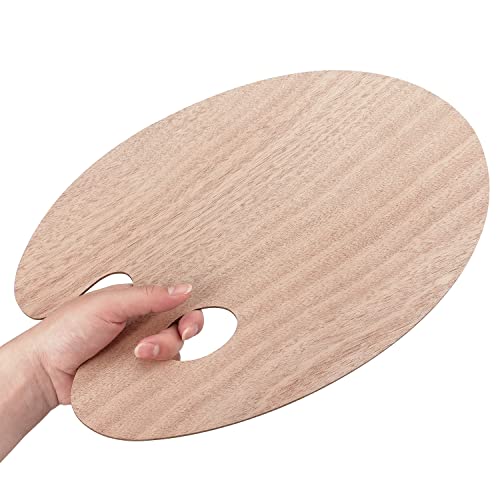
- Traditional thumb-holder design
- Polished reusable wood surface
- Suitable for studio and outdoor use
Best For: Painters who prefer a classic handheld palette
Best All-Around Studio Palette

- 18 deep wells plus a large mixing area
- Stable, durable ceramic construction
- Suitable for several painting mediums
Best For: Small studios needing organized paint storage and mixing space
Best Compact Palette

- Hand-friendly 5.7-inch square format
- Seven wells for organized colors
- Useful for painting and craft projects
Best For: Compact workspaces and multipurpose craft use
Best for Large Color Batches

- 10-by-6.3-inch workspace
- Large center and multiple storage areas
- Durable, easy-clean porcelain surface
Best For: Larger artworks and projects using many colors
Open Mixing Favorite

- Eight wells plus a broad 7-by-7-inch mixing area
- Works with five listed painting mediums
- Smooth white surface supports easy cleanup
Best For: Multi-medium studio painting and teaching
High-Capacity Studio Option

- 14 wells organize a wide range of colors
- Supports five listed painting mediums
- Also suits crafts, sorting, and studio projects
Best For: Color-heavy studio painting and craft work
Portable Protection – HIMI Folding Paint Palette
For artist palettes for small studios that also need to travel, the HIMI folding palette combines a compact format with a protective lid. Its smooth mixing surface supports gouache, acrylic, watercolor, and other water-based paints.
Best For: Small studios, travel, plein air painting, classrooms, and artists who want a reusable palette with covered paint storage.
Pros:
- Folding design and lid help protect paint from dust, spills, and drying.
- Smooth surface supports even color mixing and is easy to clean.
- Lightweight, durable plastic construction is suitable for repeated use.
Cons:
- The listed capacity is 14.2 g, so it may be limited for larger paint quantities.
- The rectangular surface may offer less dedicated color organization than a well-based palette.
Choose this HIMI model when portability and paint protection matter as much as mixing space. Its 200 x 155 mm format is practical for a compact studio setup or mobile art kit.
Flexible Value Set – Tamaki Acrylic Paint Palettes
For artist palettes for small studios, this Tamaki two-pack offers both rectangular and oval transparent acrylic surfaces. The clear, reusable palettes are designed for mixing acrylic, gouache, and other pigments while remaining easy to carry.
Best For: Small studios, art classes, teachers, students, and artists who want two shapes for different painting tasks.
Pros:
- Includes one rectangular and one oval palette for added flexibility.
- Transparent acrylic lets the underlying color remain visible while mixing.
- Smooth, reusable surfaces are easy to clean and carry in a bag or tote.
Cons:
- Hand-wash care is required, with avoidance of high heat and harsh chemicals.
- These are open palettes without a protective lid for preserving wet paint.
This set is a practical choice when a small studio needs multiple open mixing surfaces rather than built-in wells. The two shapes also make it easy to dedicate one palette to a particular medium or color workflow.
Organized Wet Storage – Mr. Pen Airtight Watercolor Palette
For artist palettes for small studios that need organized color storage, the Mr. Pen palette provides 18 wells and two mixing areas in a folding design. Its sealing lid helps keep water-based paints moist between sessions.
Best For: Watercolor organization, classroom use, travel, plein air painting, and small studios working with multiple colors.
Pros:
- 18 wells keep different paint colors separated and organized.
- Two large mixing areas provide room for blending.
- A silicone-seal lid helps preserve paint moisture and supports portability.
Cons:
- The hinge is not completely watertight, so it should not be carried with water inside.
- Its well-based format offers less uninterrupted mixing space than an open tray.
This palette suits artists who prefer prepared, separated colors over a single broad mixing surface. The airtight lid is especially useful for reducing paint waste, provided the palette is transported without standing water.
Classic Handheld Surface – Tamaki Wooden Paint Palette
For artist palettes for small studios, the Tamaki wooden palette offers a traditional handheld format with a thumb holder. Its polished surface and portable design make it suitable for acrylic painting, classes, crafts, and general studio work.
Best For: Artists who prefer a traditional hand-held palette for studio painting, classes, outdoor work, or craft projects.
Pros:
- Thumb-holder design provides a familiar grip for right- or left-hand use.
- Polished wooden surface is reusable and comfortable to hold.
- Portable size works for classes, travel, and outdoor painting.
Cons:
- Care instructions call for wiping with a dry cloth rather than water washing.
- The traditional open design does not include a lid or paint wells.
This Tamaki palette is a straightforward choice for painters who value a classic handheld setup. It is less focused on sealed storage or color compartmentalization, but its simple wooden surface keeps the workflow familiar and uncluttered.
Best All-Around Studio Palette – 18-Well Ceramic Mixing Tray
For artists comparing artist palettes for small studios, this 8-by-5.5-inch MEEDEN ceramic tray offers a stable middle ground between paint capacity and workspace. Its 18 deep wells and large central mixing area suit watercolor, gouache, acrylic, oil, and tempera, while the substantial ceramic construction helps keep it steady during use.
Best For: Small studios or fieldwork setups that need multiple paint wells and a dedicated central mixing area.
Pros:
- 18 deep wells provide organized paint storage.
- Large center supports color mixing.
- Heavy ceramic construction helps prevent flipping.
- Smooth white surface wipes clean easily and helps colors remain visible.
Cons:
- At 0.51 kg, it is less convenient to carry than a lightweight plastic palette.
- It is not dishwasher- or oven-safe.
This is a versatile choice when stability, durability, and organized paint storage matter more than minimizing weight. The generous layout makes it particularly practical for artists who mix several colors in a compact studio.
Best Compact Palette – 7-Well Square Porcelain Tray
Among artist palettes for small studios, this 5.7-inch square MEEDEN palette is a convenient option when hand-friendly dimensions and a smaller footprint are priorities. The seven-well ceramic design accommodates watercolor, gouache, acrylic, oil, and tempera, while also working for crafts and sorting projects.
Best For: Artists, crafters, and shared workspaces that need a compact, multipurpose palette.
Pros:
- Compact 5.7-by-5.7-inch size is easy to handle.
- Seven wells support basic color organization.
- Smooth polished ceramic surface is easy to clean and mix on.
- Suitable for painting, crafts, beading, sorting, and kids’ projects.
Cons:
- Seven wells and the smaller footprint provide less capacity than larger trays.
- The notes recommend hand washing or dishwasher use, but do not specify oven safety.
This palette makes sense for small workstations where every inch counts. It gives up some mixing and storage capacity in exchange for a manageable size and broad craft utility.
Best for Large Color Batches – Extra-Large Porcelain Palette
For small studios handling larger paintings or several colors at once, this 10-by-6.3-inch MEEDEN porcelain palette provides more working room than a compact tray. Its substantial central mixing area and multiple pigment storage sections are designed for watercolor, gouache, acrylic, and other listed painting applications.
Best For: Artists who need a spacious mixing surface and room to hold many paints during larger projects.
Pros:
- Extra-large 10-by-6.3-inch format offers generous workspace.
- Central mixing area supports larger color blends.
- Multiple storage areas help hold many pigments without overspill.
- White-glazed porcelain is durable and designed to clean without leaving pigment waste.
Cons:
- Its larger footprint may be cumbersome on very crowded desks.
- At 0.65 kg, it is relatively heavy for frequent transport.
- Hand washing and air drying are recommended; avoid the dishwasher.
This is the strongest fit when mixing capacity takes priority over portability. It can make a compact studio more efficient by combining substantial paint storage with a broad central mixing zone.
Compact Ceramic Pick – 14-Well Porcelain Palette
For artist palettes for small studios, this two-piece ceramic set offers a compact way to organize multiple watercolor or acrylic colors. Its glazed, non-porous surface is designed for easy cleaning, while the rectangular 7.48-by-4.13-inch format fits neatly into a limited workspace or portable kit.
Best For: Small studios and mobile artists who want two compact palettes with 14 wells for watercolor or acrylic painting.
Pros:
- Includes two ceramic palettes for flexible studio or travel use.
- Fourteen wells provide dedicated spaces for organizing colors.
- Glazed, non-porous ceramic is smooth and easy to clean.
- Compact, lightweight design is convenient for portable painting.
Cons:
- Hand washing is required.
- The compact rectangular format may provide less open mixing space than larger trays.
This is a practical choice when small-studio storage and portability matter more than having a large central mixing surface. The two-pack also makes it useful for separating palettes by medium or color family.
Open Mixing Favorite – MEEDEN 8-Well Ceramic Tray
Among artist palettes for small studios, the MEEDEN ceramic tray balances organized wells with a broad 7-by-7-inch mixing area. Its square, hand-sized design supports watercolor, gouache, acrylic, oil, and tempera work, making it a flexible option when one palette needs to handle several mediums.
Best For: Artists, students, and teachers who want a lightweight, multipurpose palette with eight wells and generous mixing space.
Pros:
- Eight wells provide organized paint storage while leaving room for mixing.
- Suitable for watercolor, gouache, acrylic, oil, and tempera.
- Smooth white ceramic surface is designed for easy cleanup with water and tissue.
- Hand-sized 7-by-7-inch format is convenient for focused studio work.
Cons:
- It has fewer wells than the 14-well alternatives in this roundup.
- At 630 grams, it may be less convenient for travel than a lighter palette.
The MEEDEN stands out for versatility: it gives a small studio one dependable tray for several painting styles. Choose it if open mixing room is more important than maximizing the number of separate wells.
High-Capacity Studio Option – 14-Well Ceramic Palette
For artist palettes for small studios that prioritize color organization, this 14-well porcelain palette offers dedicated spaces for a broad selection of paints. The white ceramic surface is intended for mixing and cleanup, and its approximately 8-inch class makes it suitable for studio painting, craft projects, and organized color work.
Best For: Painters and crafters who need 14 wells for watercolor, gouache, acrylic, oil, or tempera projects.
Pros:
- Fourteen wells support extensive color organization.
- Suitable for watercolor, gouache, acrylic, oil, and tempera.
- White ceramic surface helps make colors visible while mixing.
- Useful for studio painting, crafts, beading, and sorting projects.
Cons:
- Only one palette is included.
- Hand washing with mild soap and water is recommended.
- Care instructions advise avoiding extreme temperatures and harsh chemicals.
This palette is a strong fit when a small studio needs maximum well organization in one tray. Its broad project range adds flexibility, though the care instructions call for gentler handling than a purely disposable palette.
How We Picked the Best Artist Palettes for Small Studios
We focused on the practical demands of compact workspaces: usable mixing area, storage efficiency, cleanup, material compatibility, and portability. The selection includes ceramic palettes for stable, easy-to-clean mixing; wooden palettes for traditional acrylic and oil painting; and lidded or folding models for artists who need to protect wet paint or transport supplies.
Well-designed wells and mixing areas also matter. They help separate colors, reduce accidental contamination, and keep a limited desk surface more organized. Because artists work with different media, we considered palettes suited to watercolor, gouache, acrylic, and oil rather than treating one style as universal.
Quick Comparison
| Palette type | Best for | Main advantage | Watch for |
|---|---|---|---|
| Folding or lidded | Portable studio setups | Stores paint and supplies neatly | Hinges, seals, and smaller mixing areas |
| Ceramic or porcelain | Watercolor and gouache | Stable surface and easy cleanup | Weight and breakability |
| Wooden | Acrylic and oil painting | Comfortable traditional format | Requires proper cleaning and care |
| Multi-well trays | Color organization | Keeps multiple shades separated | Wells may limit large blends |
Key Buying Factors for Artist Palettes for Small Studios
Size and Workspace
Measure the area where you paint and where the palette will be stored. A larger tray provides more room for blends, but a compact square or folding model may be more practical on a narrow desk.
Material and Paint Compatibility
Ceramic and porcelain are nonporous and generally easy to wipe clean, making them strong choices for watercolor and gouache. Wood offers a familiar hand feel and works well for acrylic or oil, but it should not be left with paint residue. Check the manufacturer’s guidance when using unfamiliar solvents or heavy-bodied paints.
Wells, Mixing Areas, and Lids
Choose multiple wells if you regularly use several colors at once. Broad open mixing areas are better for gradients and larger batches. A lid or folding construction is useful when paint needs short-term protection or when supplies must move between rooms.
Cleaning and Storage
Consider whether dried paint can be removed without scratching the surface. Ceramic is typically forgiving, while painted or unfinished wood may need gentler cleaning. Store fragile palettes where they will not be knocked from a crowded work surface.
Who Should Buy Which Artist Palettes for Small Studios?
Choose a folding or airtight palette if portability, paint protection, and tidy storage are your priorities. A ceramic or porcelain palette is the better fit for watercolor and gouache artists who value smooth mixing and simple cleanup. Select a wooden thumb-hole palette if you prefer a traditional format for acrylic or oil painting and want a comfortable handheld design. For artists who mix many colors at once, a multi-well tray offers the clearest organization; for broad blends, prioritize fewer wells with larger mixing sections.
In a small studio, the best palette is the one that matches both your medium and your routine. Prioritize dimensions, cleanup, and storage before choosing extra wells or decorative features.