The best palette for an experienced artist should suit your medium, mixing habits, hand position, and cleanup routine—not simply offer the largest surface. This lineup includes traditional wood palettes, porcelain trays, watercolor palettes, palette-sealing systems, and disposable paper options.
Use the buying guide below to narrow the choices by capacity, portability, color visibility, maintenance, and value for your regular painting setup.
Best 10 Artist Palettes for Experienced Artists Picks for 2026
Ergonomic Studio Pick
Counterbalance Okoumè Wood Palette

- Handmade Italian Okoumè wood construction
- Large 18-by-24-inch mixing surface
- Counterbalanced design for right-handed artists
Best For: Right-handed oil painters needing a spacious, comfortable palette
Porcelain-on-Steel Classic
Jack Richeson Butcher Tray Palette

- Smooth surface for easy cleaning
- Bowed bottom manages remaining water
- Works with watercolor, gouache, and dry brush
Best For: Watercolor and gouache artists wanting a compact traditional tray
Wet-Paint Storage Solution

- 12-by-16-inch studio-size storage tray
- Sealing lid helps preserve wet paint
- Designed for acrylic and oil workflows
Best For: Studio artists needing covered paint storage between sessions
Portable Wooden Option
Tamaki Traditional Paint Palette

- Traditional grip for right- or left-hand use
- Lightweight and easy to carry
- Smooth polished wood construction
Best For: Mobile artists, classes, and compact acrylic painting kits
Neutral-View Mixing Sheets

- Neutral gray backdrop for viewing colors
- Smooth, acid-free mixing surface
- 50 disposable 12-by-16-inch sheets
Best For: Artists who prefer disposable palettes with a neutral mixing background
Versatile Water-Soluble Palette
Caran D'ache Palette Aquarelle
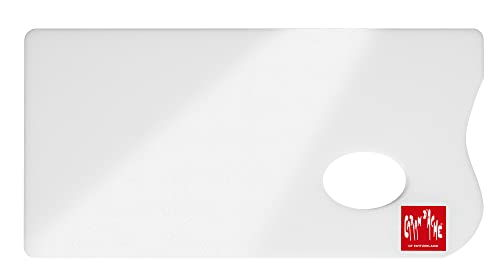
- White plexiglas construction
- Rough and smooth mixing sides
- Suitable for several paint types
Best For: Artists who switch between watercolor, gouache, acrylic, and oil
Portable Clear Palette Set

- Two reusable transparent acrylic palettes
- Includes rectangular and oval shapes
- Portable design for classes or outdoor painting
Best For: Artists wanting a reusable two-palette set for portable mixing
Neutral-Tone Workhorse
Grey Matters 12 x 16 Disposable Palette

- Neutral grey supports more accurate color viewing
- Large seep-resistant sheets for studio mixing
- Includes two palette knives for mixing
Best For: Studio artists needing spacious, quick-cleanup mixing surfaces
Large Reusable Studio Surface
Geetery 24 x 17 Acrylic Palette

- Extra-large clear surface for many colors
- Reusable, nonporous acrylic cleans easily
- 3 mm construction with a thumb hole
Best For: Large-scale work, group painting, and spacious studios
Compact Neutral Mixer
Grey Matters 6 x 9 Disposable Palette

- Neutral grey supports accurate color evaluation
- Compact seep-resistant disposable sheets
- Three pads and one palette knife included
Best For: Space-conscious artists and portable paint-mixing setups
Ergonomic Studio Pick – Counterbalance Okoumè Wood Palette
For experienced artists looking for artist palettes with generous mixing space, this handmade Italian Okoumè wood palette emphasizes balance and comfort. Its counterweight, curved inner edge, and large 18-by-24-inch work area suit extended oil-painting sessions for right-handed users.
Best For: Right-handed oil painters who want a spacious, lightweight studio palette with an ergonomic design.
Pros:
- Handmade in Italy from Okoumè wood.
- Large surface provides ample room for mixing colors.
- Counterbalance and curved edge improve handling comfort.
- Lightweight design weighs about 1.8 pounds.
Cons:
- Designed specifically for right-handed use.
- Its large format may be less convenient for travel.
- Recommended primarily for mixing oil paints.
This is a strong choice when workspace and ergonomic handling matter more than compact portability. The counterbalance design gives it a clear advantage for longer painting sessions.
Porcelain-on-Steel Classic – Jack Richeson Butcher Tray Palette
Among artist palettes for experienced artists who work in watercolor or gouache, this Jack Richeson butcher tray offers a smooth white surface that cleans easily. Its bowed bottom helps remaining water run toward the edges, supporting controlled mixing and dry-brush work.
Best For: Watercolor and gouache painters who prefer a compact, traditional tray for studio or hobby use.
Pros:
- Smooth porcelain-on-steel surface cleans easily.
- Bowed bottom directs leftover water toward the edges.
- Suitable for watercolor, gouache, and dry-brush techniques.
- Compact 7-by-11-inch format is easy to manage.
Cons:
- Rim chips may occasionally occur, according to the product notes.
- Smaller mixing area than full-size studio palettes.
- Requires gentle hand washing and careful storage.
This tray is a practical traditional option for water-based media. Its smooth surface and water-management feature make it especially useful when easy cleanup and controlled moisture are priorities.
Wet-Paint Storage Solution – Masterson Palette Seal
For experienced artists comparing artist palettes with storage systems, the Masterson Palette Seal provides a 12-by-16-inch tray and sealing lid for preserving paint between sessions. It is intended for studio-scale acrylic and oil workflows, with palette paper and sponge sold separately.
Best For: Studio artists, teachers, and classrooms that need covered storage for full-size acrylic or oil palettes.
Pros:
- Full-size 12-by-16-inch storage format suits studio work.
- Sealing lid helps keep wet paint fresh for weeks when used as directed.
- Compatible with acrylic and oil painting workflows.
- Useful for studios, classrooms, and shared workspaces.
Cons:
- Includes only the tray and lid; palette paper and sponge are separate.
- Storage container weighs about 1.6 pounds.
- Requires even lid alignment and firm edge pressing for proper closure.
This is not a mixing palette by itself, but it is a useful companion for artists who want to reduce paint waste between sessions. Its full-size format is better suited to studio storage than travel.
Portable Wooden Option – Tamaki Traditional Paint Palette
Artists seeking portable artist palettes for experienced artists may appreciate this Tamaki wooden tray for its traditional shape and easy-carry format. The smooth, polished wood palette is designed for acrylic painting and can be carried in a backpack, purse, or tote.
Best For: Artists, instructors, and students who want a lightweight wooden palette for classes, home use, or outdoor painting.
Pros:
- Traditional grip is intended for right- or left-hand use.
- Smooth, polished wood surface and edges feel comfortable to handle.
- Lightweight construction weighs about 0.14 kg.
- Portable size fits easily in common bags.
Cons:
- Product notes specify wiping it clean with a dry cloth rather than washing.
- Smaller working format offers less mixing room than studio palettes.
- Recommended uses are broad, but the notes do not identify a specialized medium beyond painting use.
This palette favors portability and versatility over maximum mixing capacity. Its ambidextrous grip and light weight make it a convenient choice for classes, casual outdoor work, and compact painting kits.
Neutral-View Mixing Sheets – Grey Matters Paper Palette
Jack Richeson Grey Matters Paper Palette, 12 by 16-Inch, 50 Sheets - JACK-100281
Check Price On AmazonFor experienced artists seeking artist palettes for experienced artists, the Jack Richeson Grey Matters palette offers disposable sheets with a smooth mixing surface and a neutral gray background. That subdued backdrop can make it easier to view mixed colors without the distraction of a bright white palette.
Best For: Painters who want a disposable, neutral-toned surface for mixing and assessing color.
Pros:
- Neutral gray background supports accurate color viewing.
- Smooth surface is designed for mixing.
- Acid-free paper is supplied in loose sheets.
- Each sheet can be discarded after color mixing.
Cons:
- Disposable sheets are not reusable.
- Paper is intended for color mixing only.
Its 12-by-16-inch rectangular format gives artists a practical working area, while the loose-sheet design avoids cleanup. Choose it when neutral color judgment matters more than portability or long-term reuse.
Versatile Water-Soluble Palette – Caran D'ache Palette Aquarelle
Among artist palettes for experienced artists, the Caran D’ache Palette Aquarelle stands out for its compact white acrylic construction and compatibility with multiple paint types. Its two-sided design provides one rough and one smooth surface for different mixing preferences.
Best For: Artists working with watercolor, gouache, acrylic, oil, or other water-soluble products who want an easy-clean palette.
Pros:
- Works with watercolor, gouache, acrylic, and oil paints.
- Includes both rough and smooth sides.
- White plexiglas surface provides a clear mixing area.
- Cleans easily with water and resists scrubbing.
Cons:
- Its 10.25-by-5.12-inch size offers less room than larger palettes.
- It has a single mixing palette rather than multiple pieces.
The lightweight, 0.3-liter palette is convenient for a focused setup or travel kit. Its broad material compatibility makes it a flexible choice when you move between media and want simple cleanup.
Portable Clear Palette Set – Tamaki Acrylic Paint Palettes
For artists comparing artist palettes for experienced artists, the Tamaki set provides two reusable transparent acrylic palettes in rectangular and oval shapes. The clear surfaces are designed to keep the mixing area visually unobtrusive, while the portable formats suit studio, class, or outdoor work.
Best For: Painters who want reusable, easy-clean palettes in two shapes for acrylic, gouache, and other color-mixing tasks.
Pros:
- Includes one rectangular and one oval palette.
- Transparent acrylic construction is smooth and reusable.
- Both palettes measure approximately 11.8 by 7.9 inches.
- Portable design fits in a backpack, purse, or tote bag.
Cons:
- Requires hand-washing.
- Should be kept away from high heat and harsh chemicals.
- Transparent surfaces may provide less contrast than a white or gray palette for some colors.
The two-shape format adds flexibility without requiring separate purchases, and the smooth acrylic is intended for repeated use. Consider it when portability and reuse are higher priorities than specialized color-viewing backgrounds.
Neutral-Tone Workhorse – Grey Matters 12 x 16 Disposable Palette
Jack Richeson Grey Matters Disposable Paper Palette 12” x 16”, 2 Pack, Includes 2 Palette Knives
Check Price On AmazonFor experienced artists seeking artist palettes for experienced artists, the Jack Richeson Grey Matters offers a neutral midtone surface that makes mixed colors easier to judge. Its large disposable sheets suit oil, acrylic, casein, and gouache work.
Best For: Studio artists who want generous mixing space, reliable seep resistance, and quick cleanup.
Pros:
- Neutral grey paper helps provide a more accurate view of mixed color.
- Smooth surface supports mixing and lifting paint with brushes or palette knives.
- Each 12 x 16-inch sheet is seep resistant and tears away for disposal.
- Includes two plastic palette knives and two 50-page pads.
Cons:
- Disposable sheets create ongoing replacement waste.
- The large format may be more than needed for compact workspaces.
This is a practical choice when color judgment and ample studio workspace matter more than having a reusable palette. The included knives add useful value for mixing.
Large Reusable Studio Surface – Geetery 24 x 17 Acrylic Palette
Among artist palettes for experienced artists, this Geetery acrylic palette stands out for its unusually large 24 x 17-inch mixing area. The clear, nonporous surface accommodates multiple colors and cleans with water or mild detergent.
Best For: Artists working on large-scale projects, group paintings, or in a dedicated studio.
Pros:
- Extra-large surface allows multiple colors to be mixed at once.
- Transparent acrylic makes color observation straightforward.
- Thickened 3 mm acrylic is polished, sturdy, and impact resistant.
- Reusable nonporous surface is designed for quick cleaning.
Cons:
- Its large footprint may be impractical for small work areas.
- The protective film must be removed before use.
- Clear coloration may offer less neutral contrast than a grey palette.
Choose this palette when capacity and reusability are priorities. Its thumb hole and durable acrylic construction make it suited to sustained studio use, provided you have room for its substantial size.
Compact Neutral Mixer – Grey Matters 6 x 9 Disposable Palette
Jack Richeson Grey Matters Disposable Paper Palette 6” x 9”, 3 Pack, Includes Palette Knife
Check Price On AmazonFor experienced artists comparing artist palettes for experienced artists, the compact Jack Richeson Grey Matters pad provides a neutral midtone mixing surface without taking up much space. Its disposable sheets work with oil, acrylic, casein, and gouache.
Best For: Artists who want portable or space-conscious color mixing with minimal cleanup.
Pros:
- Neutral grey helps reveal a truer representation of mixed colors.
- Smooth paper supports mixing and lifting paint with brushes or knives.
- Seep-resistant 6 x 9-inch sheets tear away after use.
- Three 30-page pads include a plastic palette knife.
Cons:
- The smaller surface limits the number of colors mixed at once.
- Disposable sheets require ongoing replenishment.
- Only one palette knife is included.
This is the better fit when portability, compact storage, and fast cleanup outweigh maximum mixing capacity. The grey tone preserves the color-viewing advantage of the larger Grey Matters format.
How We Picked These Artist Palettes for Experienced Artists
We selected these palettes to represent the main workflows experienced painters encounter: oil and acrylic mixing on rigid surfaces, watercolor organization, studio-scale color preparation, and fast cleanup with disposable sheets. We also considered palette dimensions, material, portability, hand comfort, reuse, and whether the design supports wet-paint storage.
Because artists work differently, there is no universal winner. A large wooden palette may be ideal for broad mixtures and long sessions, while a compact porcelain tray can be easier to clean and better suited to controlled color mixing. Disposable paper palettes can be practical for classes, travel, or artists who prefer not to scrub dried paint.
Quick Comparison
| Palette type | Best for | Main advantage | Potential limitation |
|---|---|---|---|
| Wood | Traditional studio painting | Large, durable mixing surface | Requires conditioning and cleaning |
| Porcelain or coated metal | Controlled mixing and easy cleanup | Nonporous surface | Can be heavier or less portable |
| Disposable paper | Acrylics, classes, travel, quick cleanup | Convenient cleanup | Ongoing replacement cost |
| Palette seal | Artists who store wet paint | Helps extend paint usability | Requires compatible palette size |
| Watercolor palette | Watercolor organization | Dedicated wells and color separation | Less versatile for large opaque mixtures |
Key Buying Factors for Experienced Artists
Match the Material to Your Medium
Nonporous porcelain, metal, or coated surfaces are generally convenient for acrylics and easy to wipe clean. Wood offers a familiar feel and generous space, but it benefits from proper sealing or conditioning. For watercolor, wells and mixing areas matter more than a broad flat surface.
Choose Enough Working Space
Consider how many colors you typically place out and how much room you need for gradients, neutrals, and large mixtures. A compact palette improves portability, while a 12-by-16-inch or larger surface can reduce crowding during complex work. Oversized palettes are useful only if your table, storage, and painting position can accommodate them.
Check Ergonomics and Hand Preference
Thumb holes, tray edges, and shaped surfaces affect fatigue during long sessions. Right- or left-handed artists should confirm that the palette’s grip and balance suit their preferred hand. A comfortable palette is easier to control and less likely to interrupt brushwork.
Think About Cleanup and Paint Storage
If you mix paint daily, prioritize surfaces that wipe clean without absorbing pigment. If you need to pause between sessions, a compatible palette-sealing system can be more valuable than a larger mixing area. Disposable sheets trade long-term economy for speed and convenience.
Who Should Buy Which Artist Palettes for Experienced Artists?
- Choose a wooden palette for a traditional feel, broad mixing space, and regular studio use.
- Choose porcelain or another nonporous tray if easy cleanup and consistent color mixing are top priorities.
- Choose a sealed palette system if preserving wet acrylic or oil mixtures between sessions matters.
- Choose disposable paper for workshops, travel, fast-moving acrylic work, or minimal cleanup.
- Choose a watercolor palette when dedicated wells and compact color organization are more useful than a flat mixing field.
Before buying, verify the listed dimensions, material, package quantity, and compatibility with your paint medium. For Artist Palettes for Experienced Artists, the best choice is the one that supports your established process while reducing interruptions, waste, and cleanup.